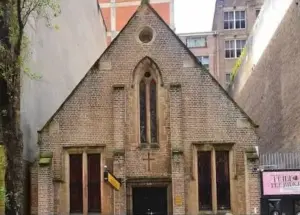
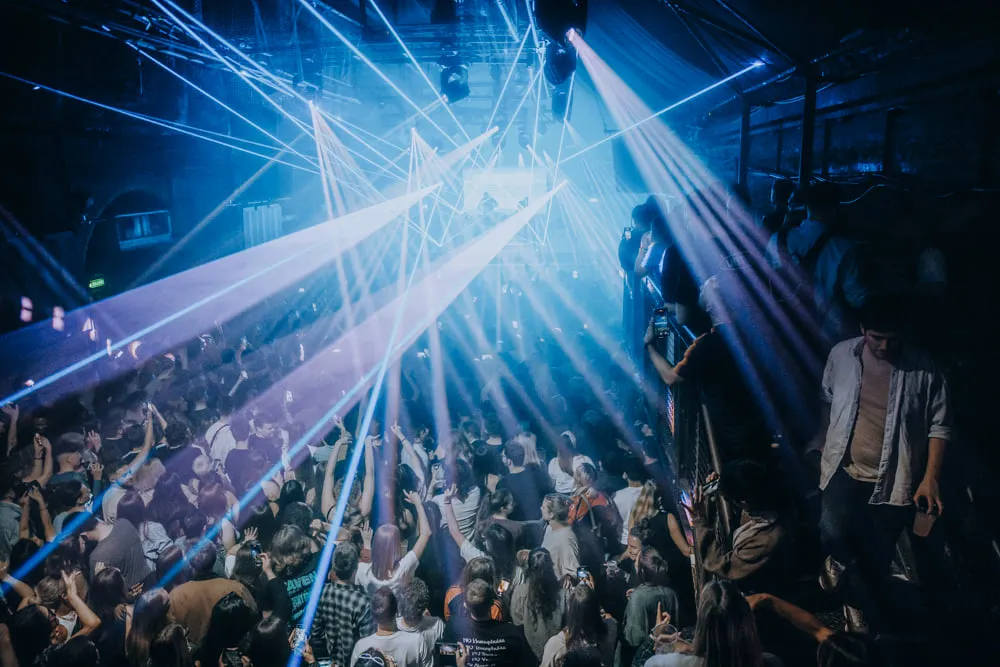
A London man has pleaded guilty to submitting fictitious complaint letters — believed to have been written using artificial intelligence — in an attempt to prevent the reopening of Heaven, one of the city’s most iconic LGBTQ nightclubs.
Aldo d’Aponte, a 47-year-old businessman working in the property industry, admitted to authoring two letters that purported to be from his neighbours, objecting to Heaven’s reinstatement of its operating licence. The Metropolitan Police have since flagged the use of AI to fabricate such correspondence as a growing concern in licensing disputes.
Heaven, located in central London, had its licence suspended in November 2024 following a rape allegation against one of its security staff. The club was permitted to reopen a month later, after a council hearing resulted in enhanced welfare and security measures being put in place. The worker accused of the offence was subsequently found not guilty.
During the licence review process, Westminster Council received a series of detailed objection letters, sent via an encrypted email address. Their unusually precise and polished character caught the attention of Philip Kolvin KC, a planning lawyer who had been acting for the nightclub during the suspension. Suspicious of their authenticity, he launched a pro bono investigation.
When the letters were run through an AI detection tool, they were identified as almost certainly machine-generated. Further investigation revealed that the individuals named as authors either did not appear to exist, or did not reside at the addresses provided. Police subsequently traced IP addresses linked to two of the letters back to d’Aponte.
D’Aponte was charged under Section 158 of the Licensing Act 2003, which prohibits knowingly or recklessly making false statements in connection with a licence application or review. The maximum penalty is an unlimited fine. He was ultimately handed a 12-month conditional discharge and ordered to pay £85 in costs along with a £26 victim surcharge.
His barrister, Saba Naqshbandi KC, told the court the actions were “completely out of character” and described them as a “foolish and desperate act.” She said d’Aponte, his husband, and their children had endured eight years of disruption from the venue, and that the brief closure had brought them genuine relief. The prospect of the club reopening, she said, had been a source of real anxiety for the family.
Outside court, d’Aponte expressed regret for his actions while maintaining that Heaven’s operators needed to do more to coexist with neighbouring residents and ensure the safety of those in the surrounding area.
Kolvin, who described the nightclub’s owner as having found the episode deeply distressing, warned that licensing processes could be vulnerable to this kind of manipulation. “This whole situation is open to abuse if councils are not alert to this problem,” he said.
The Metropolitan Police are understood to be investigating at least two further cases involving AI-generated false representations in similar contexts.