REVIEW:
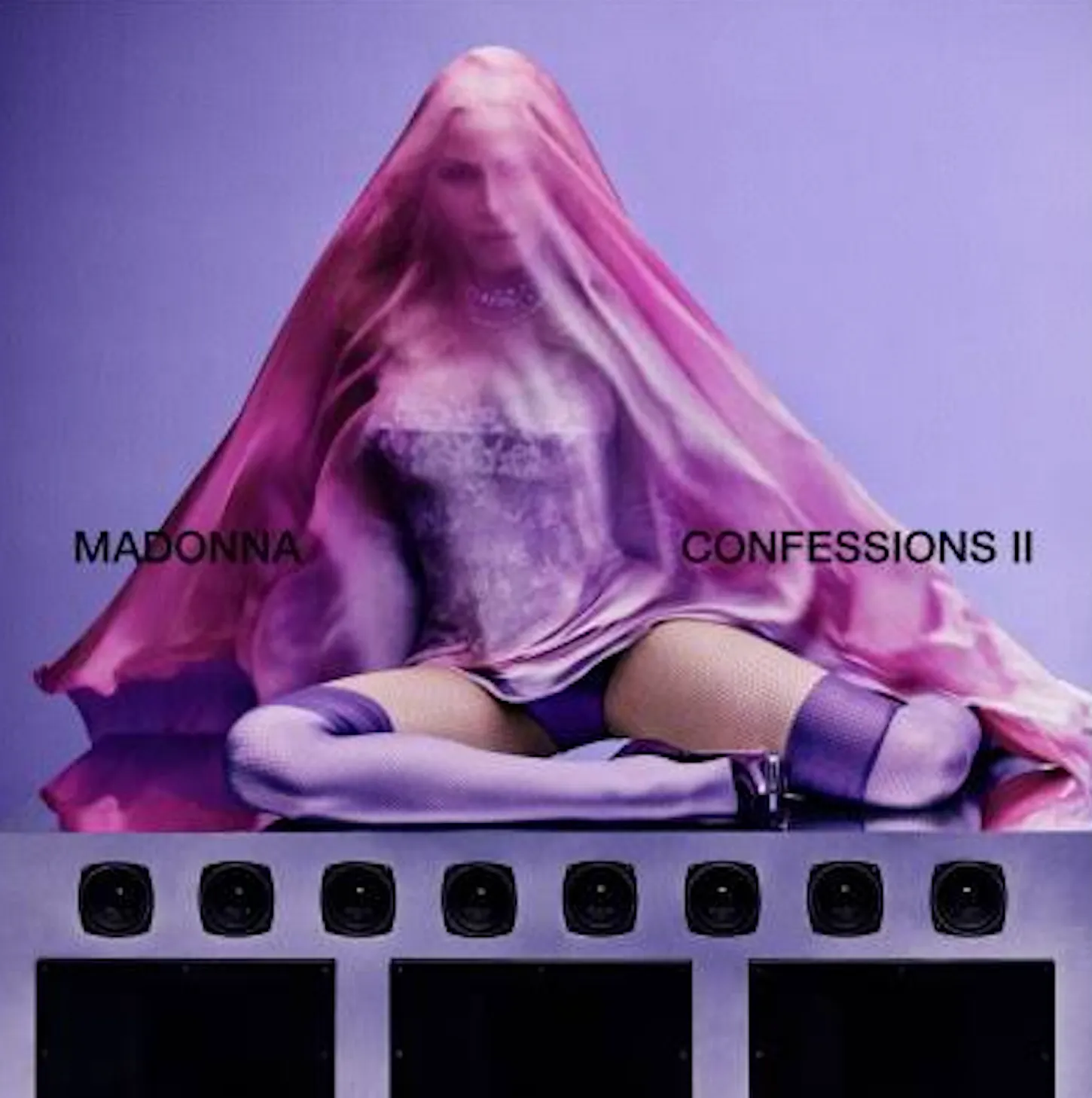
‘Confessions on a Dance Floor: Part II’
Madonna
4 out of 5 stars
Reviewed by James Leon
Say what you like about Madonna: her career has had more than its share of peaks and troughs, but her longevity – and uncanny ability to reinvent herself – remains unparalleled.
The 20 years since the original Confessions on a Dance Floor have seen her release a string of albums that sold in diminishing numbers and have often been unfairly dismissed. Putting it into perspective, though; she’d already enjoyed one of the greatest two-decade runs in pop history with only minor blips such as American Life.
Nor have the post-Confessions records been complete duds. MDNA too often settled for generic EDM sounds and half-hearted songwriting but still produced gems like the shimmering Love Spent and beautiful ballads Masterpiece and Falling Free. The Rebel Heart album was inconsistent but gave us the elegant Ghosttown, a song that in another era would surely have been a global smash.
Madonna was criticised for chasing trends, whether through collaborations with the likes of Diplo or a succession of rappers. Yet Madame X suggested she was (at least on some of the record) listening to her own instincts again, experimenting with unconventional song structures and aiming for something more artistically ambitious. Some branded it unlistenable, which was a little harsh. Patchy it may have been, but songs like Crave, Looking for Mercy and the magnificent God Control proved she could still write compelling, emotionally resonant pop. That politically charged disco epic remains one of her finest latter-day recordings.
After restoring much of her reputation with the triumphant Celebration Tour, Madonna could easily have settled into legacy-act status. Of course, this is Madonna, so instead she reunited with Stuart Price – the producer behind the original Confessions – and announced a sequel. It was a risky move but also an obvious crowd-pleaser: to give fans what they’ve been asking for by returning to sleek dance-pop packed with killer hooks.
The early campaign for album was curious. Preview tracks I Feel Free, Bring Your Love and Love Sensation hinted at a fun record without exactly setting the world on fire.
I Feel Free, clearly indebted to Donna Summer’s I Feel Love, is breezy and uplifting but feels more like a mood piece than a memorable song. Bring Your Love, a duet with pop’s current girl of the moment, Sabrina Carpenter, sounded full of life during its Coachella debut, complete with playful nods to Express Yourself. Yet the studio version lands with less impact, hampered by production that buries Madonna’s vocals beneath layers of effects. The same issue crops up throughout the album and is perhaps its biggest flaw.
Love Sensation, meanwhile, channels ’90s piano house with a touch of ’70s soul. It’s enjoyable enough but ultimately slight.
Those previews suggested the promised return to form might have been overstated. Then came the lavish promotional film featuring snippets of the album’s opening tracks and suddenly expectations shifted.
Danceteria is an obvious standout. An autobiographical club anthem recalling Madonna’s early years in New York among Basquiat, Fab Five Freddy and the downtown art scene, it feels effortless in a way much of the album doesn’t. Part Blondie’s Rapture, part Lady Gaga’s Love Game, yet somehow entirely its own thing, it’s witty, infectious and bursting with personality. How this wasn’t the lead single is baffling.
Good for the Soul pairs slightly clichéd new-age lyrics with an uplifting chorus that more than compensates, while Read My Lips blends Latin rhythms with trance influences and melancholic lyrics to create something that almost feels like classic Madonna, even if the over-processed vocals rather blunt its emotional impact.
The album’s second half is where it really comes alive. Less concerned with filling dancefloors, it becomes more reflective and personal, reminding listeners that Madonna has always been more than simply a maker of club bangers.
Bizarre is perhaps the closest thing here to a classic Madonna pop song. Built around razor-sharp synths recalling Eurythmics’ Sweet Dreams, its tale of an insecure movie-star lover (Sean Penn?) and has all the bite and melodic confidence of vintage Madonna. It could easily become this album’s Sorry.
Fragile is a moving tribute to her late brother Christopher. Their relationship was famously complicated but they reconciled before his death and that history gives the song genuine emotional weight. The line: “You had a nervous breakdown,” lands with unexpected force, particularly for any gay man who has ever struggled with their mental health; while Madonna’s pure-sounding, layered vocals recall the expressive ballad singer heard on classics like Live to Tell. It’s easily one of the album’s finest moments.
Elsewhere, School revives the sultry, trip-hop atmosphere of the Erotica era, while My Sins Are My Saviour and Betrayal continue with that dark, introspective sound. On the latter, Madonna reflects on her difficult relationship with her stepmother, echoing the emotional honesty of Oh Father and Promise to Try. Daughter Lourdes joins her on Test, a touching conversation about growing up in the shadow of the world’s most famous pop star while the understated closer Les Girl quietly draws the curtain.
Confessions 11 doesn’t quite reach the heights of its predecessor – or Madonna at her imperial peak – but expecting it to would be unrealistic. What it delivers instead is a confident, enjoyable dance-pop record. It’s not a perfect comeback, but it’s her strongest album in years and a welcome reminder that, four decades into her career, Madonna can still deliver.
Bitch, she’s Madonna after all.