
Pet Shop Boys’ Bilingual: A Queer Classic Turns 30
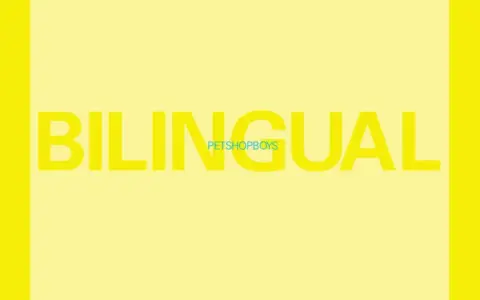
“Are you a discoteca boy?” The opening line of the Pet Shop Boys’ 1996 album Bilingual addresses its audience and announces its intentions from the off. Was there ever a gayer line with which to open a record?
By the mid-’90s, the duo had passed their late-’80s imperial phase. After a slight commercial dip with their third studio album proper , the (albeit brilliant) Behaviour, they’d reached a second peak of success with 1993’s seamless Very.
Despite enduring speculation and, with hindsight, an abundance of queer cultural references, the Pet Shop Boys had never publicly commented on their sexuality. No denials, no being photographed with fake girlfriends. Neil and Chris were always too restrained and tasteful for such antics. They’d simply remained aloof and declined to discuss it.
These were different times. The duo had risen to fame at the height of the AIDS crisis in the mid-’80s, when being openly gay might have limited their appeal and potential fanbase.
In 1995, a year before Bilingual appeared, Tennant finally bit the bullet, discussing his sexuality in an interview with Attitude, the newly launched gay magazine. He has since suggested that being labelled a “gay band” may have led to the duo subsequently being overlooked in more mainstream quarters.
Coincidence or not, their commercial success began to wane, although they retained a sizeable and loyal fanbase. Arguably, songs such as Before and Se a vida é (That’s the Way Life Is) weren’t quite in the same league as classics like West End Girls, Left to My Own Devices or Go West.
However, Bilingual remains possibly my favourite Pet Shop Boys album.
Some of that is personal. 1996 was also the year I came out, and when I finally bought the album on cassette in 1997 (ask your folks, kids), it soundtracked many of my own experiences.
On Bilingual, references to sexuality feel less coded. The trademark melancholy remains, but there’s a freer, summery vibe running throughout.
Whereas for instance,1990’s Behaviour painted beautifully melancholic, restrained, autumnal soundscapes; Bilingual feels less reserved, transporting us to warmer climes through Latin rhythms and strings layered over the duo’s trademark synths and drum machines.
Influenced by a South American tour, this sound particularly shines on Se a vida é, where Tennant’s usual cynicism evaporates and he sounds uncharacteristically happy.
The brisk, mechanical Discoteca opens the album and sets the tone lyrically: “Is it enough / to live in hope that one day we’ll be free without this fear? / I’m going out and carrying on as normal.”
This is pure speculation, but Tennant could well be singing about being gay under the shadow of the AIDS crisis. In 1996, effective combination HIV treatment was only just becoming available, following years of devastating loss. Bilingual can therefore be heard as a document of the transition from the devastation of the AIDS era towards the more hopeful climate emerging in the late ’90s, as gay culture moved further into the mainstream.
The third single, Single, casts Tennant as a European business traveller, perhaps an EU bureaucrat trapped in a soulless existence of meetings and hotel stays. Meanwhile, the chorus conspicuously rhymes the title with “bilingual”. Are the Pet Shop Boys hinting that the narrator is secretly bisexual, sleeping with men on business trips while leaving his wife at home?
I remember the album’s two cassette sides. The first closes with the lovely, understated ballad It Always Comes as a Surprise, in which Tennant drops his cynicism to express gratitude for having found love.
Side Two though is where they really let their emotions run loose.
It opens with the bombastic, hi-energy camp of Red-Letter Day. With its marching drums and military-sounding Russian choir, it’s almost Village People-esque, perhaps hoping to replicate the success of Go West from Very.
But Tennant sounds fired up and impassioned, conveying both sadness and longing. There’s a sense of: “Fuck it, we’re gay, we’ve lived through tough times, but we’re loud and proud now, and we’re fighting for ourselves and our people.”
Any gay guy of a certain age who grew up with shame, and a sense of loss, cannot help but be affected by this.
Up Against It continues the darker mood. Lyrics such as “long after the war has ended, we’re still in fatigues” suggest further echoes of the AIDS crisis. The war may be over, but the damage remains. Yet the tune remains defiantly uplifting.
Then comes The Survivors. The title alone suggests resilience in the face of loss. There’s sadness, but also hope, “But somehow we’ll survive” is the closing line – leaving us with the reassurance we will be ok.
For me, the album’s greatest moment is To Step Aside, arguably one of the best tracks the band have ever recorded. Another Latin-infused banger, it soars and swoops taking the listener on a truly moving journey.
Beneath the euphoria, though, Tennant reflects on the superficiality and privilege of his pop-star existence — “all the champagne that I drink” — wondering whether it’s time to give it all up and ‘’try to return to the person inside”. We’re glad you didn’t though, Neil.
An underdog in the Pet Shop Boys’ consistently impeccable canon, Bilingual will always hold a special place in my heart. And if you’re a fan of quality queer music with depth, perhaps it should have one in yours, too.
By James Leon