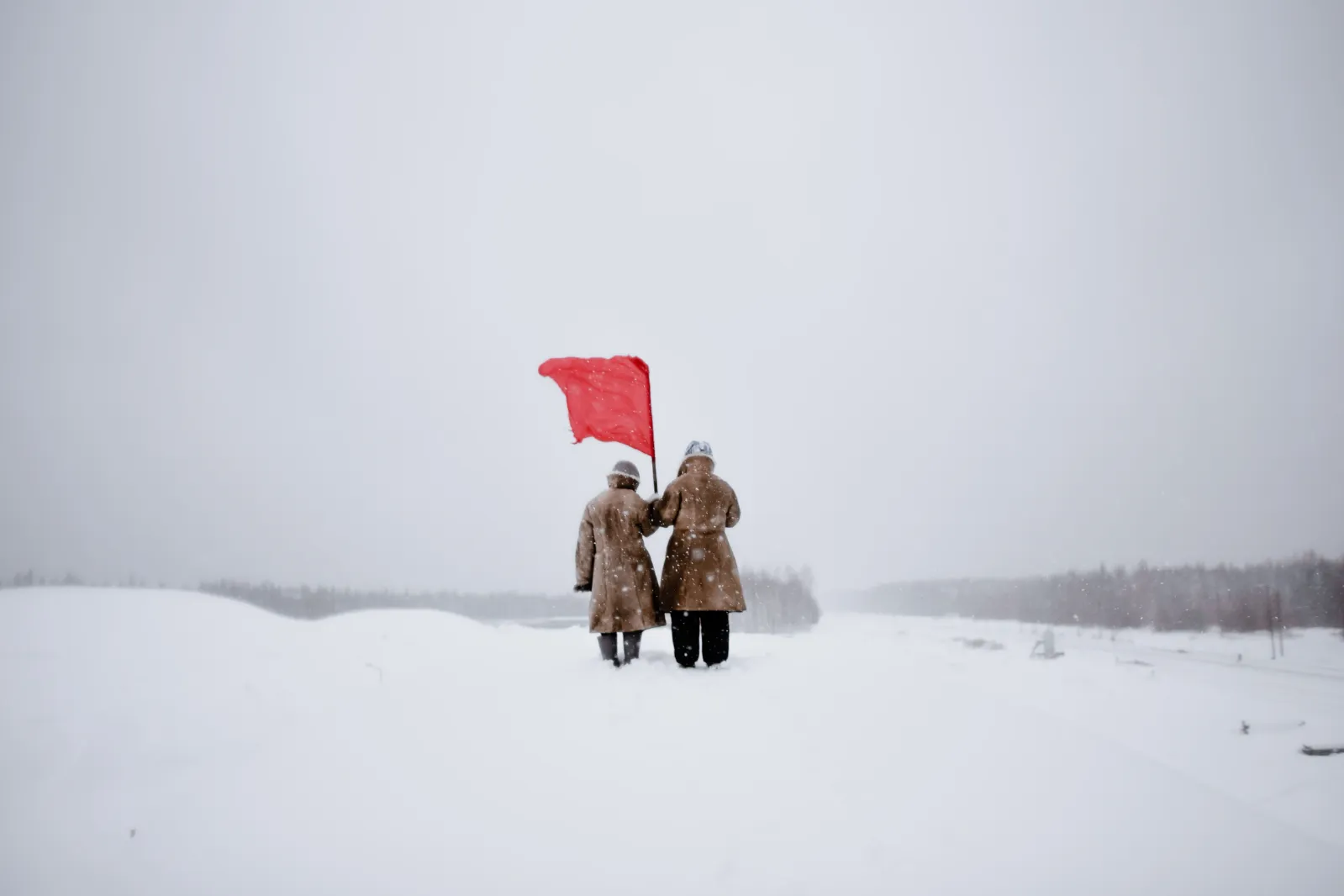
Dating can sometimes feel like we’ve all become amateur psychologists: Red flags. Green flags. Beige flags. Attachment styles. Love bombing. Narcissists. Avoidants. A perfectly innocent “Hey” can suddenly see us analysing every inch of a potentially harmless interaction, writes Andrew Macdonald.
Over the years, clients have told me that they are wanting long-term meaningful relationships. For many LGBTIQA+ people, dating can carry some additional layers. Surprise surprise, our relationships don’t happen in a vacuum. Experiences of coming out, rejection, shame, discrimination, family acceptance and previous relationships can all turn up on the date with us. Sometimes they stay at home. Other times they subconsciously demand to be there.
After hearing plenty of client’s stories, I tend to sit on the fence with this. I think dating flags can be useful. I also think we can become so busy looking for them that we forget to authentically meet the person. Additionally, I think it is worth considering where our data for our ‘flag set’ comes from. Is it the exes of the past gone wrong, the stories of our friend’s relationship disasters or the messages we absorb via the media or social media? And underneath all of this, what I hear most often is pretty simple: People want someone to share their life with.
Another thing worth pondering, at the risk of rocking your world, is that none of us are perfect (thank goodness). I like to say, “We are all beautifully flawed.” Imagine for a moment that we have a list of ten characteristics we notice about someone and imagine that these are weighted. The good stuff needs to outweigh the not so great. Their passion, their loyalty, their cute smile outweighs their inability to pick up a bathmat or cook an omelette.
Having said that, I reckon some behaviours perhaps deserve our attention.
Notice how someone responds to your boundaries. They might be disappointed when you say no, but they can handle it. But someone who repeatedly negotiates, sulks, pressures or makes us feel guilty about sex, exclusivity, substances, socialising or how quickly the relationship progresses is giving us useful information.
Also pay attention to secrecy. Privacy and secrecy are different things. Someone may not be out to family, colleagues or culturally significant people for very understandable reasons. That alone isn’t necessarily a red flag. But if their secrecy requires us to disappear, lie constantly or accept being treated as though we are shameful, it’s worth asking whether the relationship can genuinely meet our needs.
Jealousy disguised as devotion deserves attention, too. “I just love you so much” doesn’t make controlling your friendships, checking your phone or monitoring dating apps romantic or okay.
And perhaps one of the biggest flags is how you gradually feel around someone. Are you becoming more yourself, or increasingly editing yourself to keep the relationship going?
One of my favourite perspectives when working with folks around relationships is the idea that part of our job as a partner is to help the other person’s light shine brighter. Ask yourself, is my light brighter or dimmer when I’m with them? And, just as importantly, what happens to their light when they’re with me? This isn’t about rose-coloured glasses. Our partners can be our biggest fans and, occasionally, our most respectful critics. Sometimes we need someone who loves us enough to also keep us honest.
Not everything is a red flag, let’s take a glance at the other side. People are beautifully messy things.
Someone taking six hours to reply might be avoidant. They might also be at work. Or a date talking about their ex might have unresolved attachment issues. Or they might simply be telling you about an important chapter of their life.
If we interpret every awkward moment as evidence of pathology, dating becomes an assessment rather than an experience. There is something wonderfully healthy about allowing another person to be imperfect without immediately diagnosing them.
Here’s another thing to consider. Maybe we are missing a flag in our ‘flag set’? Curiosity (not sure what colour it is, you chose your own). Instead of asking only, “Is this a red flag?”, try asking: “What happens when we talk about it?”
Can they listen? Can you? Can both of you laugh at yourselves? Can someone apologise without collapsing into shame or becoming defensive? Can you disagree and remain connected?
And importantly, can you still be yourself?
For sure, dating should involve a level of thought and analysis. I’d say, keep your boundaries and notice patterns. Pay attention to the uncomfortable feeling that keeps turning up (unless it’s just indigestion). On the flip side, flirt badly, get geekily nervous and say something ridiculous. Give someone a second chance when it feels appropriate and see what happens. Allow yourself to be surprised and even surprise them.
The aim isn’t to find someone with absolutely no flags. I suspect they might be terribly boring anyway. Maybe it’s about finding someone who makes your light shine a little brighter and noticing whether you have the desire to do the same for them.
Andrew Macdonald is a Clinical Psychotherapist at www.jeffersonplace.com.au