
Next time you’re looking for a conversation starter at the kitchen table, why don’t you bring up what would happen if you experienced a stroke. It’s certainly an uncomfortable topic but we can’t ignore it. According to the Stroke Foundation, a stroke occurs every 11 minutes in Australia.
Here are some questions to consider:
- Would a stroke affect you and your relationships?
- Could it affect your sense of self?
- Would your sexuality and gender expression be impacted?
- What if you’re not quite the same person as you were before the stroke?
- Are you concerned how you will be treated after your stroke?
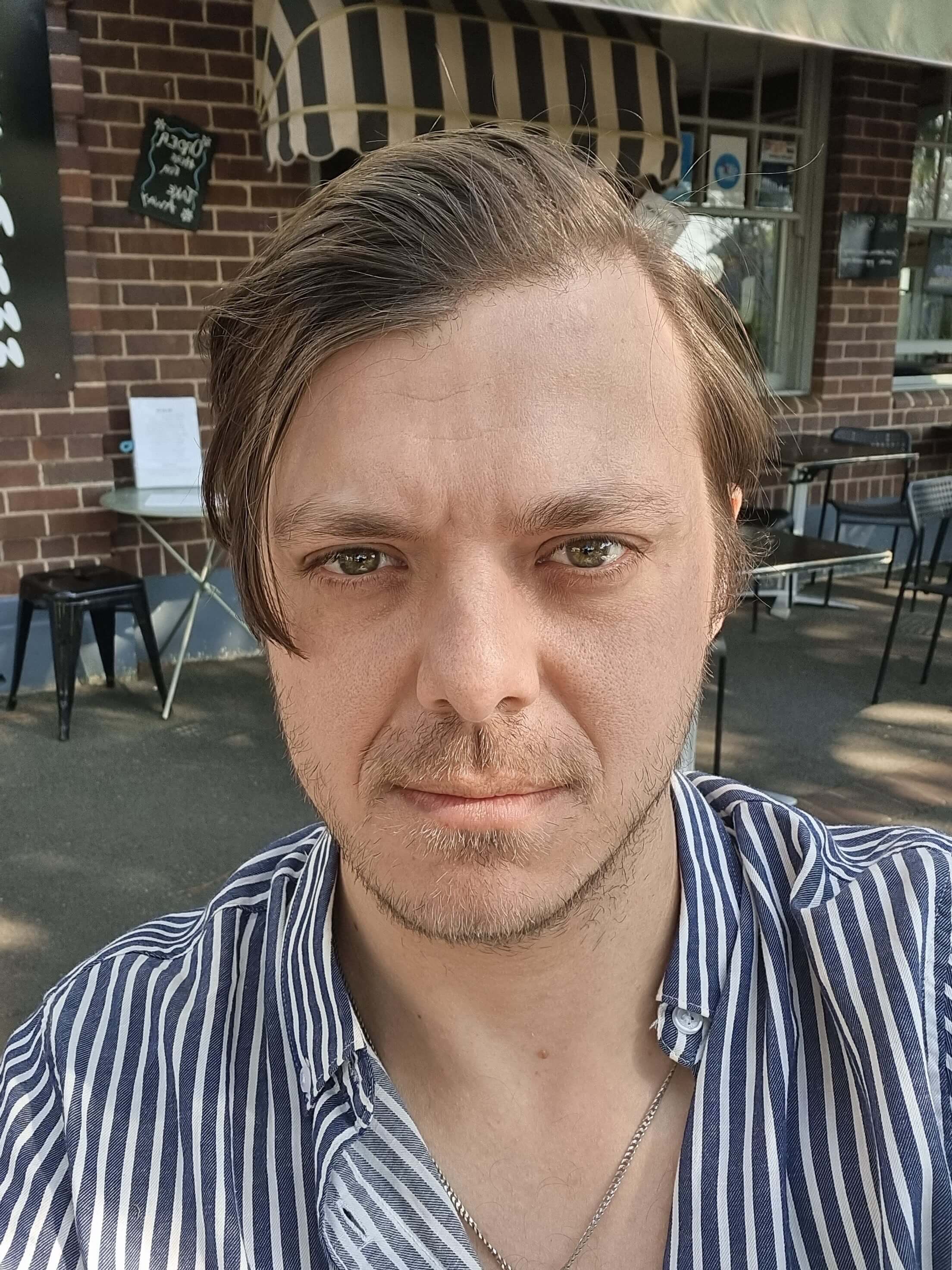
These are some of the issues social worker and PhD candidate William Kokay is exploring as part of his research into the rehabilitation needs of LGBTQI+ people who have experienced a stroke. William noticed rehabilitation resources and information weren’t being accessed by LGBTQI+ people. He spoke to them to find out why.
“They told me the information didn’t recognise them as an LGBTQI+ person. The resources were designed for and only a heteronormative perspective.”
William said this realisation put a fire under him. He knew something must be done.
“I spent two months searching the web on any information about LGBTQI+ stroke survivors or related research.” He didn’t find much at all. “I was surprised, and then again not surprised by this.”
William did find a research paper published by the University of Sydney which discussed the impact of strokes on sexuality but noticed LGBTQI+ viewpoints weren’t included. He contacted the author of the paper to provide this feedback and unbeknownst to him, this was the catalyst which led him to start his PhD journey.
William conducted his initial research during COVID lockdowns and made connections with LGBTQI+ people through social media channels. Participants in this research were from Australia, Canada, US and the UK. They told William, they felt seen and heard for the first time. But while social media can bring us all together, unfortunately some people use it as a tool to try and rip us apart.
“Within an hour of posting a message about the research project, there were 100 homophobic comments.”
William perservered. He completed this phase of research which looked at the experiences of LGBTQI+ people when accessing stroke support services.
“The findings were troubling – support services generally did not consider the experiences of LGBTQI+ people. For example, some support staff continued to misgender LGBTQI+ people, despite being corrected on previous occasions.”
William is determined to change this situation and ensure inclusive support is delivered to LGBTQI+ stroke survivors. His next phase of research will help him get closer to this goal and he needs our help. If you have experienced a stroke, know someone who has, or know of a loved one who provides support, please get in contact with William. He wants to know the needs of LGBTQI+ stroke survivors, their communication preferences and other information so future rehabilitation support is inclusive of sexual orientation and gender identity. Participants can be from Australia, Canada, US, and UK.
You can help William by:
- Contacting him for a short chat about your experiences as an LGBTQI+ stroke survivor
- Asking a loved one to speak to William about their experiences supporting you
- Tell people you know who may be interested in William’s research
- Keep talking about stroke rehabilitation and consider the experiences of LGBTQI+ people.
Find out more information at www.tinyurl.com/LGBTQI-stroke-study