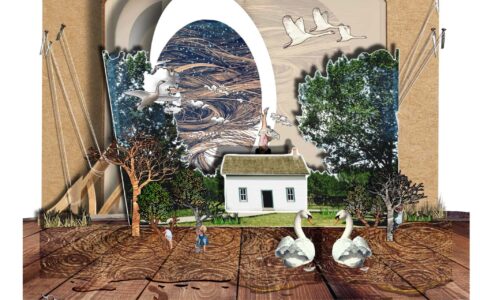
eX de Medici is a powerhouse of an artist, one who embodies her practice as an agency for change through the rigour of examining cultural history, politics and questioning how women are represented. Her artworks are beautifully lush, highly detailed and bring attention to fluidity and form to create a compositional trance of meticulous desires and social protest.
Medici’s multi-media arts practice spans 45 years and her figuratively drawn symbols of life and death are densely layered with historical and current social narratives that bring attention to injustice and inequality. Medici is a Canberra (Ngunnawal/Ngambri) based artist and, being the nation’s political capital, she has directly addressed her dissidence and sedition of Australia’s colonisation of the First Nations people and voices her opinion on political corruption, gender and sexual inequality, racism and corporate greed.
“I was raised with politics in Canberra and raised by great parents. My father was a political scientist, my mother lived the life of a feminist but never called herself one, but showed me how to be one.”
Her theories, art concepts and manifestos of revolution were nurtured by politically aware parents and shaped by the city itself. Framed within an anarchist movement and an artistic collective, Medici filtered her actions of change during her time working at Tilley’s, which was Canberra’s first women-only bar in the 1980s.
Can you tell me if that time at Tilley’s influenced your work as an artist and shaped the direction of your ideas?
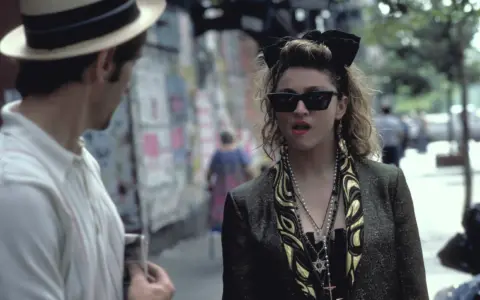
“Tilley’s was a radical idea at the time and inspired many bad men who would not abide the existence of a women’s bar that they couldn’t just walk into and take control of. The police were the friends of Tilley’s and were called almost daily for help with violent, homophobic misogynists. I produced a photographic installation, comprising forty portraits of a broad demographic of women who came to the bar, which was exhibited at the Adelaide Biennial in 1990.”
As a tattooist in the 1990s, you explored the residue of blood prints and swabs from freshly tattooed skin and exhibited them alongside the images of the tattooed body. At that time, HIV/AIDS was being stigmatised as queer epidemic. Was this a way of experimentation with risk-taking issues and how did people react?
“Photographs of the blood prints were first exhibited at the National Gallery of Australia in 1994 for Art in the Age of AIDS and the actual blood swabs and photographs were exhibited at the Adelaide Biennial in 1996. Many bigoted and homophobic tattooers in Australia refused to tattoo the LGBTIQ community at that time. This did not deter me at all — I ensured safe tattooing procedures to prevent the transmission of blood-borne diseases.”
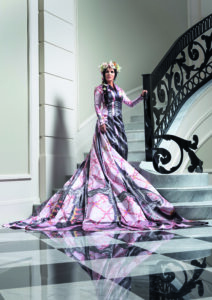
Medici’s work portrays elements of softness and charm, where the intensity of punk and pop art flow beneath her ideas of protest within a grace of feminine strength. This is defined in the refinement and structural elegance of her Shotgun Wedding Dress, which was commissioned by the NGA.
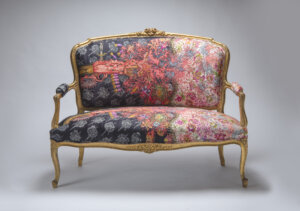
Other commissioned works include: Midnight Oil portrait for the National Portrait Gallery, Artist in War Program, Australian War Memorial Peace Keeping Mission in the Solomon Islands and The Seat of Love and Hate.
The painting Blue (Bower/Bauer) explores her family history of forced convict exile-for-life on Norfolk Island’s brutal penal colony. Medici captures the ugly and the beautiful bumping against each other, which resonates with the shackles of Australia’s colonial injustice. What’s sensational about this work is the detailed representation of social history, the landscape and objects of decay embedded in a tapestry of glorious colour, which pays attention to women’s rights, ethics and value for life.
Medici’s cross-disciplinary artworks include: Red (colony), where she collaborated with entomologists at CSIRO from 2000-2012. During this research, she exhibited 54 watercolour studies, depicting 27 different species of tiny moths. The paintings have an alluring notion of eroticism and transformation. Her arts practice and work with the CSIRO-run National Insect Collection remains ongoing.
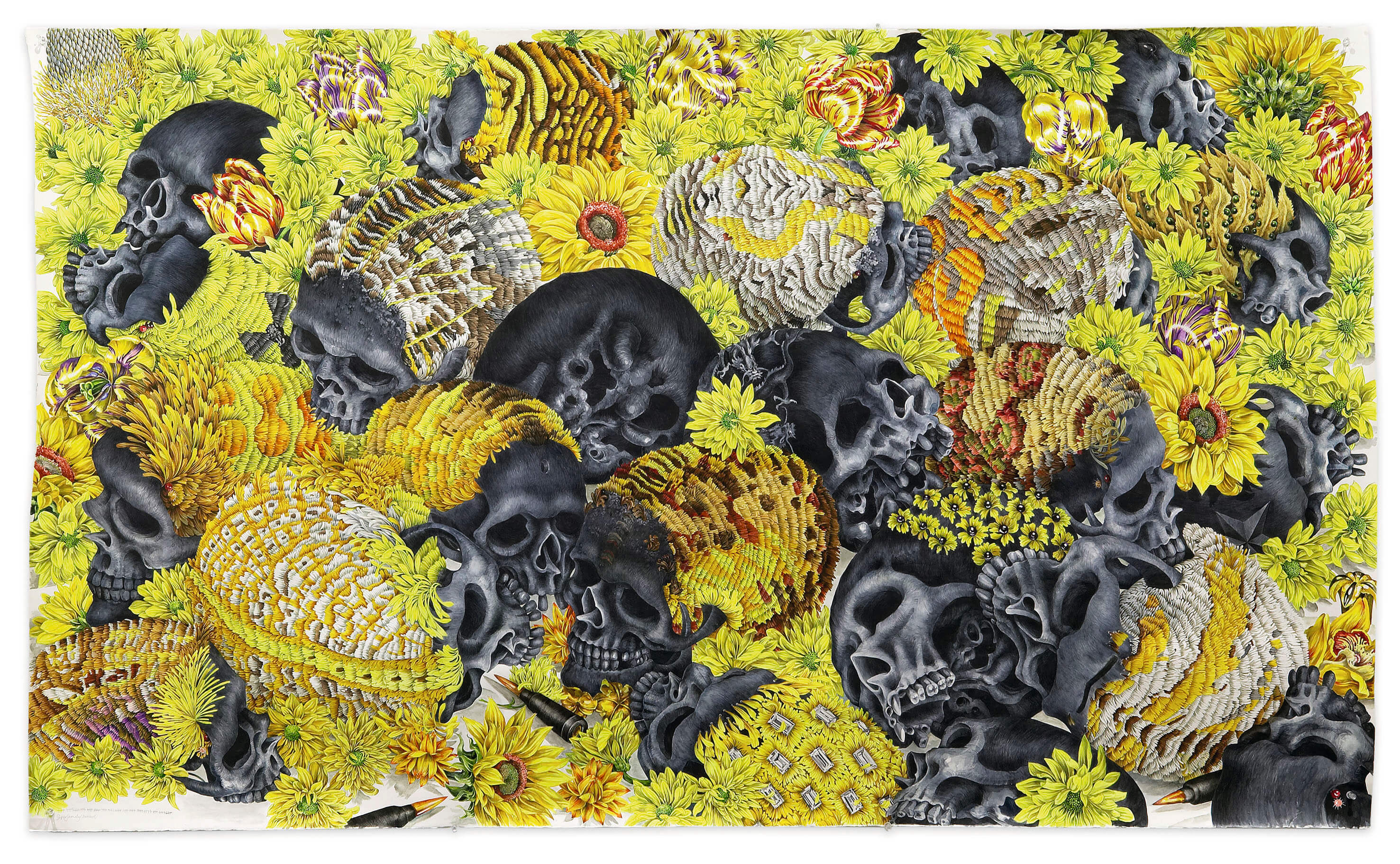
Medici’s The Theory of Everything painting is a colourful montage that harnesses a delicate value for life alongside the subtle nuances of warfare, authoritarianism and taunts of death, which ironically emit a peaceful humanist protest. Medici’s other works of artillery and floral paintings, skulls and helmets, is vast and poetically typifies the irony and metaphors of guns and roses, war and peace, life and death.
You’re participating in the SpringOUT festival event, In Conversation, held at the Shine Dome. What will you talk about?
“The In Conversation with Spring Out’s convenor, Lynne O’Brien (friends for 43 years), will ramble across the spectacular social change we have seen and experienced since 1982. We must be always on guard to protect the hard-fought legislative changes brought by our fantastic community from being eroded by the rising neo-fascist hate movement rampaging across the West.”
Medici’s insight on abuse of political power blasts that the machine of war will constantly haunt humanity—and like all voices that challenge the status quo—controversy follows.
In Conversation with eX de Medici is on Sunday 9 November at the Shine Dome. More details at https://springout.com.au/events/ex-de-medici/