
Writing on Raving – An Anthology
Edited McKenzie Wark, Geoffrey Mak, Zoë Beery
(OR Books)
Reviewed by Glenda Harvey
5 stars
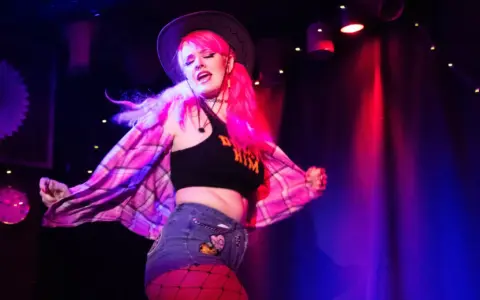
For many of us in LGBTQIA+ community, rave music and culture have walked with us on our journeys out. Raves have been escapes from repression and oppression, havens for finding community and churches to explore and celebrate freedom of expression, sexuality, identity, experimentation and a love of rhythm. These themes and their connection to broader societal malaise are explored in a series of writings about rave culture in the new book, Writing On Raving: An Anthology.
The introduction invites the idea that “a good book, like a good party, is one where everyone has something different to give”. The book flows like a seamless rave where writers meld different sets of similar-yet-individual tales of what raves mean to them. From personal anecdotes, social commentary, poetic description and history, amongst other themes, the anthology weaves experiences and insights into an experience which puts you right there under strobes and haze.
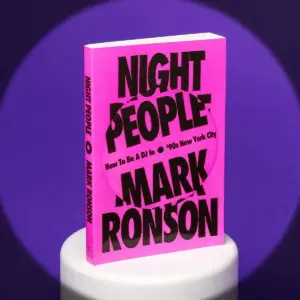
While many of the writings are centred on the New York rave scene, the tales of late, sweat-filled, rhythm charged nights are relatable to anyone, anywhere where people gather to dance. Many of the writers are within the LGBTQIA+ family, with insights into what rave music means for the community. It caught the eye of this trans gal to see the respect and even reverence shown to trans persons within the New York scene.
There are historical contexts to the evolution of rave and dance music, especially the black culture that is at its genesis and is its heart beat. Many of the chapters delve into the fashion and technicals of the music. There are disseminations of the politics of rave, the hierarchies that exist and spiritual underpinnings of many of the mystical experiences ravers have in their cathedrals, listening to their priest and priestesses: the DJs.
Above all, the shared love of the need to dance, no matter the motivation, is strongly conveyed. Many of the writers express the feeling of what movement, surrounded by either strangers or familiars—often high and always with a dance beat—means to them in the moment. Eclectic forces of how they have arrived there, what they are working through, what they were escaping or searching for, brings together people from all walks of life. Dance transcends time.
As McKenzie Wark puts it, “The fragility of future time, the art of having to snatch your roses now while you live, that’s always been something certain kinds of people have known all about. Where blackness, queerness and transness overlaps as marks of the excluded body, the taunted body, the endangered body, that’s where you find the art of dancing one’s way into the present to get free.”
So shall that be!
Available from https://orbooks.com/catalog/writing-on-raving/