Sydney Gay and Lesbian Mardi Gras rapidly evolved to the tastes and needs of a burgeoning queer community in its early days from 1978 through the eighties to the start of the nineties and was then chock-full of both advancements and challenges, both for our community and for Mardi Gras alike, from the nineties into the new millennium and beyond.
1978
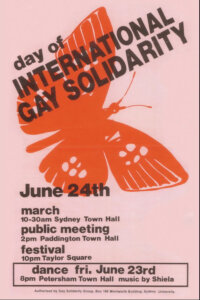
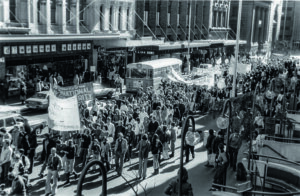
“Out of the bars and into the streets! Stop police attacks on gays, women and blacks!” chanted several hundred participants in the first Mardi Gras parade—then known as the Gay Solidarity March—in June 1978 as they worked their way down Oxford Street towards Hyde Park. More revellers joined in and when they marched to Darlinghurst Road in Kings Cross, the police swooped in and violently arrested 53 men and women, many of whom were beaten in cells at Darlinghurst Police Station, which is now the Qtopia Sydney museum. The newly-formed Gay Solidarity Group intended to mark the anniversary of the Stonewall uprising in New York and raise local issues such as decriminalisation of homosexuality. The first march ended in violence but the police crackdown fired up a community who would no longer be silent. Mardi Gras had become a defining moment in our nation’s history.
1979
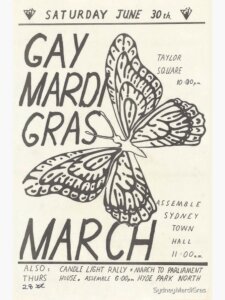
For its second year, Mardi Gras expanded from a one-night march to a full-week festival which included a Fair Day, film screenings and the first-ever Mardi Gras party, held at Balmain Town Hall. 3000 people attended a march from Sydney Town Hall and despite a large police presence, no one was arrested.
1980
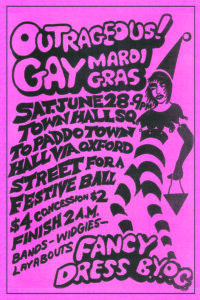
1980 featured the first-ever dressed-up parade float, for the Village People, saw the introduction of parade marshals and now finished at Paddington Town Hall for a relocated post-parade party. Separating itself from the anniversary of Stonewall signalled a broader move away from the activism of the 1970s gay rights movement and towards a more community-based celebration. Disagreements among parade marchers had emerged. Some said the event had become too political while others believed it was too frivolous.
1981
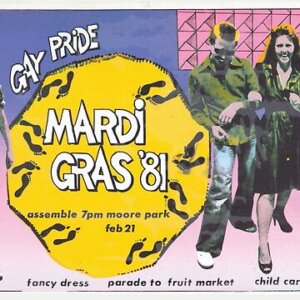
The move to the warmer month of March, along with the creation of an independent and elected organising body, and the efforts to enlist non-activist groups, were landmark changes and the parade continued to multiply in size.
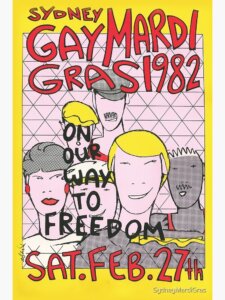
1982
Gay-owned businesses became more involved in Mardi Gras and Narrandera man Roger McKay became the first-ever to march with an Aboriginal flag. The Sleaze Ball fundraiser was established at Paddington Town Hall and was an immediate success.
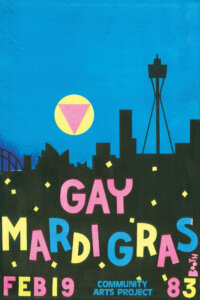
1983
The Sydney City Council placed Mardi Gras flag decorations along the Oxford Street parade route for the first time and the Australia Council supported the parade with funding. The parties were upsized to the Showgrounds.
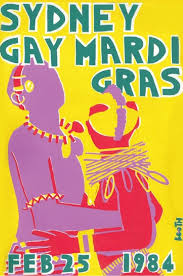
1984
The Mardi Gras festival now had its own program guide and in May 1984, homosexuality in NSW was finally decriminalised. But the dark shadow of AIDS had fallen over Sydney’s gay community and claimed the life of 38-year-old Bobby Goldsmith.
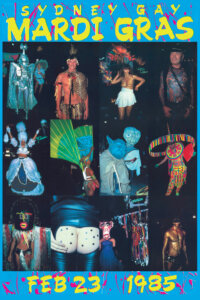
1985
The now three-week festival was held against the backdrop of increasingly hysterical media reporting of HIV/AIDS. There were calls for Mardi Gras to be cancelled with the Reverend Fred Nile suggesting it be replaced by compulsory public lectures about AIDS.
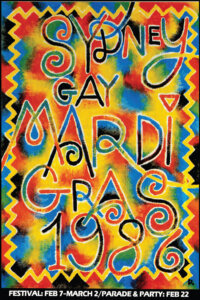
1986
An increasing number of social groups were getting involved in the festival, as well as entries from interstate and regional areas.
Homosexuality was still illegal in more than half Australia’s states. Mardi Gras was becoming a beacon of gay and lesbian visibility and pride across the nation.
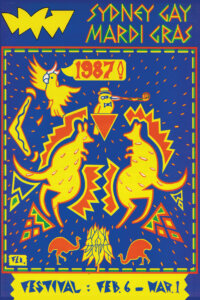
1987
1987 cemented Mardi Gras’ place as Australia’s biggest night-time parade, culminating in an estimated 100,000 people attending the parade – double that of the previous year’s.
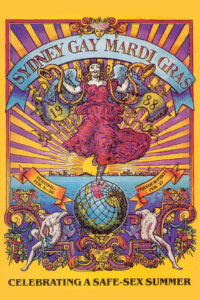
1988
1988’s parade was the first to include the Dykes on Bikes and the increasing involvement of women at Mardi Gras had reached the point where lesbians represented 25 per cent of the membership. The name of the Sydney Gay Mardi Gras Association was officially changed to include the word ‘Lesbian’.
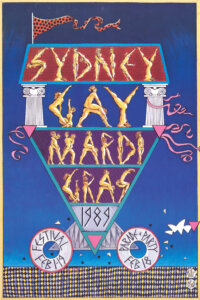
1989
An estimated 200,000 people watched the parade and a record 15,000 attended the party—the first time it sold out—and Mardi Gras got its first lesbian president, Cath Phillips.
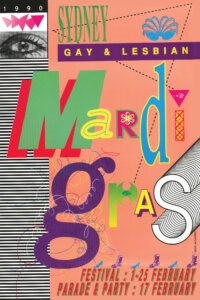
1990
It bucketed down rain on the parade but 115,000 people still showed up. Marcia Hines performed the party’s closing song at 10am and she described the crowd ovation she received as her best audience reception ever.
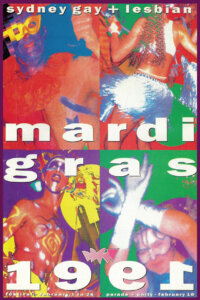
1991
Over 1500 Australians had now died from AIDS-related illnesses and the parade cried an urgent call for access to combination therapies to treat HIV/AIDS. Mardi Gras was officially blessed by the newly-formed Gay & Lesbian Choir while Tina Arena performed at the party.
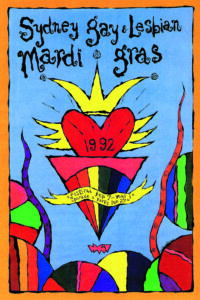
1992
The 1992 festival poster was the first to include a rainbow flag in its design. Several NSW MPs marched in the parade for the first time and the procession halted briefly at 10pm to observe a minute’s silence for those lost to AIDS. The festival lasted for four weeks, making it the longest and largest gay and lesbian festival in the world at the time. The ban on gays and lesbians serving in the Australian Armed Forces was lifted in 1992.
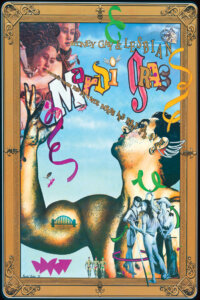
1993
On a hot evening, the parade attracted a record crowd of 500,000 and the party, said to be one of the best ever, took place across five pavilions at the Showgrounds: the RHI, the Hordern, Dome and the Cabaret and Drag Bars.
1994
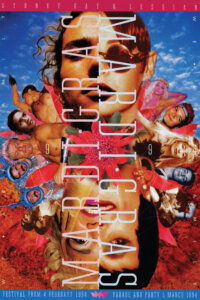
In 1994, the parade was broadcast on television for the first time and the festival featured its first Aboriginal gay and lesbian visual arts exhibition. The party was packed with 19,000 partygoers and the star attraction was Kylie Minogue, singing What Do I Have To Do at 3am in the RHI. Drool!
1995
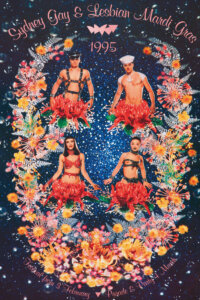
Boy George was the headliner at the party—which featured a poster by French artists Pierre et Gillies—and the Pet Shop Boys were in the crowd. The first ever Mardi Gras CD, mixed by DJ Stephen Allkins, was released. Over 150,000 people braved the rain to watch the parade, which included a tribute to Ab Fab’s Patsy Stone. Elle McFeast and Julian Clary hosted the TV coverage and Madonna filmed a special message, dedicating the world premiere of her music video for Bedtime Stories.
1996
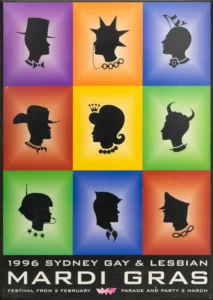
A new record crowd of 650,000 turned out to watch the parade, which featured its first-ever major corporate sponsor, Telstra. The festival program was available online for the first time and an ADF support group for gays and lesbians made their maiden march. Sydney drag icon Trudi Valentine and Don’t Leave Me This Way singer Thelma Houston were the party headliners while Dead or Alive headlined the Sleaze Ball in October.
1997
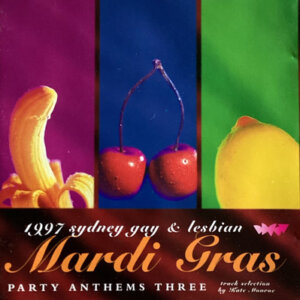
The Mardi Gras Festival was launched to 32,000 people on the steps of the Opera House and its speakers called for an equalised age of consent. The parade coverage moved from the ABC to Channel Ten and the giant Pauline Hanson puppet head became an instant icon. Party guests included Chaka Khan and the Village People, while Tina Arena performed at Sleaze.
1998
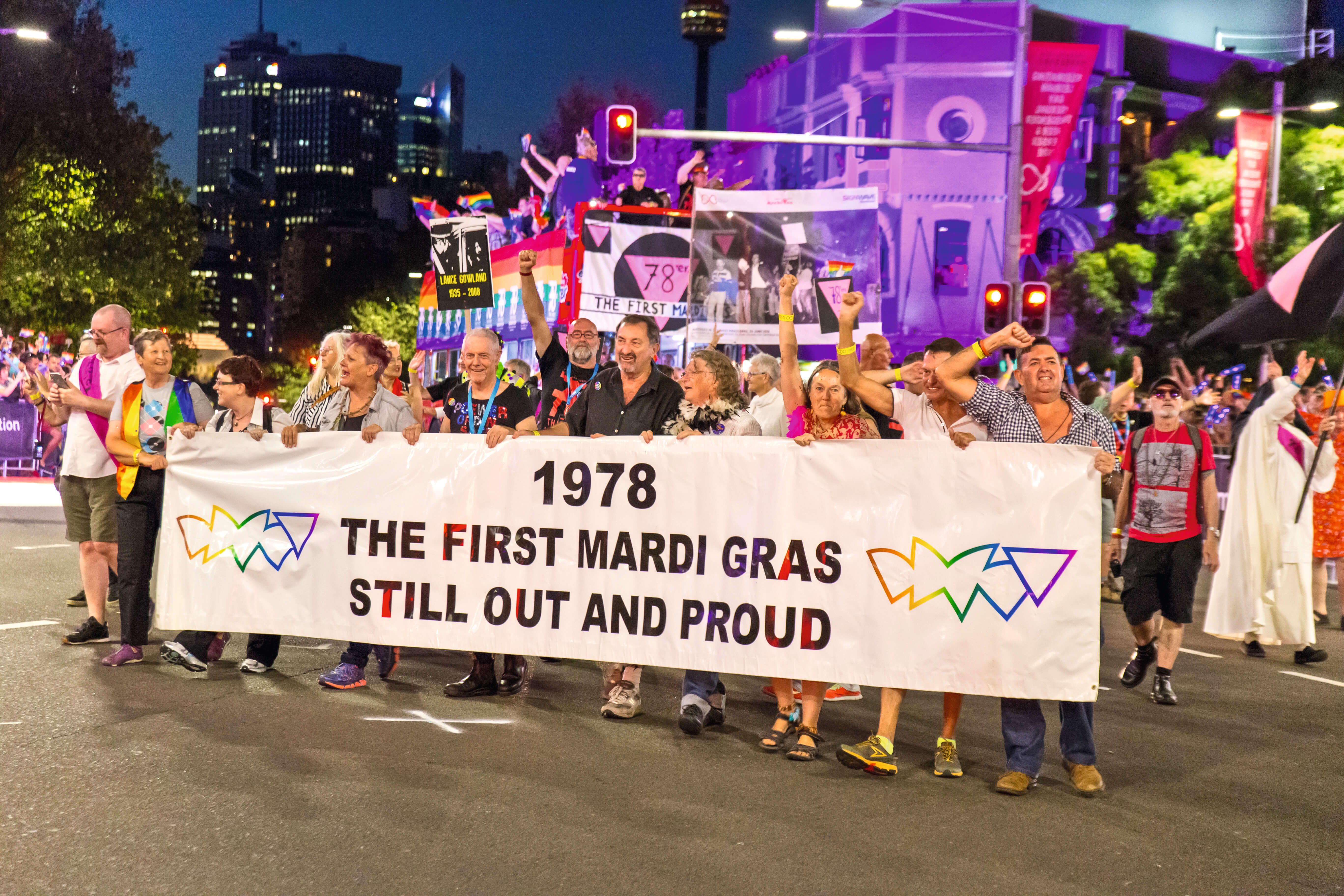
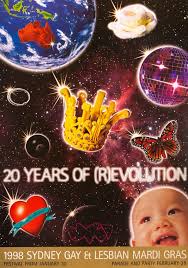
To celebrate the 20th anniversary of Mardi Gras, 220 of the original 1978 marchers were invited to lead the parade, which was broadcast online for the first time. 1998 was also the first year that police marched, forming up near the 78ers in a symbolic gesture of respect and support. The Queers for Reconciliation float featured a giant goanna alongside a large group of dancing Aboriginal and Torres Strait Islander LGBTQI people. The Mardi Gras party peaked with a whopping 27,000 tickets sold, with sisters Kylie and Dannii Minogue both on stage. Almost 15,000 people attended the Sleaze Ball, which tried a ‘Sexperiment’ with segregated male and female spaces in the Hordern. A highlight was when Pauline Hanson’s puppet head exploding on stage.
1999
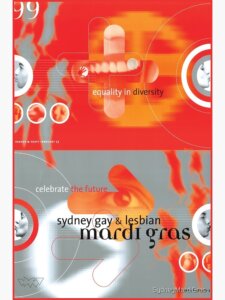
By now over 4,000 volunteers were involved in making Mardi Gras happen—including 1,400 parade marshals. More than 1,000 people from community health groups and organisations marched as the ‘HIV/AIDS Remembrance Event’ and carried a sea of soaring red flags promoting the message: ‘Remember, It’s Not Over’. Dannii Minogue was back at the party, descending from a glittering crescent moon, Jimmy Barnes donned leather and performed You Make Me Feel (Mighty Real) and Marcia Hines sang, too.
2000
The festival celebrated the new millennium with the lighting of an Olympic-style ceremonial flame in front of a hushed crowd on the steps of the Opera House for its launch and a five-hour outdoor concert in Centennial Park boasting a finale by Helen Reddy singing I am Woman. The Mardi Gras Party featured separate women’s and men’s tents and there were multiple ways to watch the parade’s 8,500 participants: on Channel 10, pay per view channel Main Event and at Telstra.com.
2001
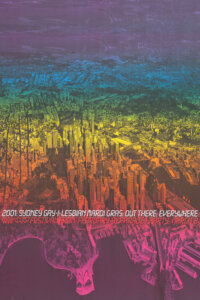
The parade continued to emphasise contemporary political issues—the lead float featured same-sex parent families with their children while the ‘Sweeties for a Treaty’ float advocated for Aboriginal rights. The co-operation between the Jewish float and the first-ever Lebanese float was a highlight, the two groups having created their floats together in the Mardi Gras workshop. The party featured spectacular aerial performances in the RHI, with singers Vanessa Amorosi, Sheena Easton, Christine Anu, Adeva and Shauna Jensen while The Divinyls’ singer Chrissie Amphlett performed at Sleaze.
2002
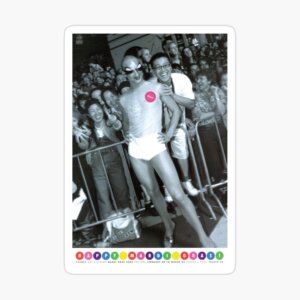
The parade became recognised by the city as a Hallmark Event, exempting it from paying police, ambulance and Roads and Traffic Authority fees in future years. Over 19,000 people were at the party, featuring shows by Deborah Cox, Bardot and Human Nature. 2002’s vibrant festival was a big success by many measures with a packed Fair Day, parade and party but sharp increases in insurance premiums plus drops in sponsorship and tourism dollars meant the festival posted a dramatic $500,000 loss. In mid-2002, the community was shocked to learn Mardi Gras had to move into voluntary administration.
2003
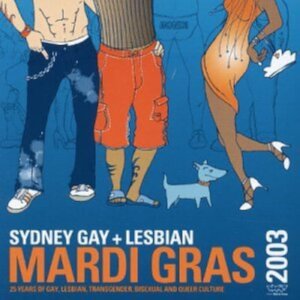
2003 was to be Mardi Gras’ 25th anniversary year but with the organisation under administration, the community had to act urgently to save the festival. ACON, the NSW Gay & Lesbian Rights Lobby, Pride and Queer Screen each stepped up, along with generous funders and thousands of volunteers and ‘New Mardi Gras’ was born. The revived grassroots festival made a profit of almost $350,000. The Chief of Parade was Ian Roberts, the first high-profile Australian sportsperson and first rugby league player in the world to come out as gay. In a major win for gay rights, a bill in New South Wales parliament passed in May to reduce the age of consent for gay men from 18 to 16, bringing it in line with the heterosexual and lesbian age of consent.
2004
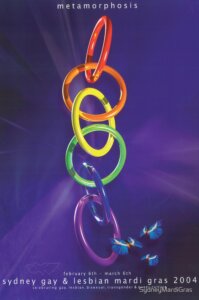
In 2004, Fair Day included a family-friendly ‘Kidzone’ for the first time plus no less than four stages around Victoria Park offering live entertainment. All 17,000 party tickets sold out with looks taking inspiration from Spartacus, Austin Powers and Barbarella. That year’s Sleaze Ball included many real-life porn stars and attendees were given dog-tags stamped with the theme ‘PORN’.
2005
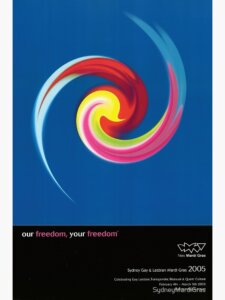
An Aboriginal float led the parade for the first time to an estimated 450,000 onlookers. The Bobby Goldsmith Foundation’s new Glamstand took its place on Flinders Street with three massive video screens along the route projected all the action to the crowds. Float entries included a giant green serpent with the face of John Howard, 146 Fran Dreschers danced to the Nanny theme song and Cher-impersonator Candi Stratton performed Believe. Nicki French, Darren Hayes, Tina Arena and Courtney Act all performed at the party.
2006
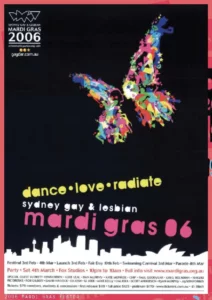
Gaydar sponsored the 2006 festival to the tune of $1.5 million and new events included one for queer youth. The parade was led by the Ship of Fools float, a satirical comment about 10 years of LBGTQI inequality under the Howard government while Portia Turbo led a Brokeback Mountain float. 15,800 attended the party with shows from Jimmy Somerville and Therese. Buses then took partygoers direct to Luna Park for the Toybox party where dancing continued all through Sunday!
2007
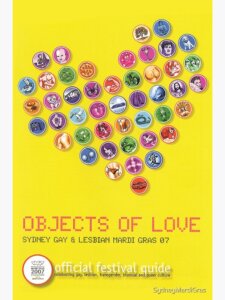
Mardi Gras 2007 launched with a flash mob on the steps of the Opera House led by Bob Downe and Auntie Mavis. The parade also featured the largest and most complex float Mardi Gras has ever produced – an internally lit-up 4m-high Trojan horse with Greek Gods dancing in formation around it. English actor Rupert Everett was the Chief of Parade. The party featured a strong DJ line-up led by Boy George, The Freemasons and Paul Goodyear while Dannii Minogue and the Young Divas performed.
2008
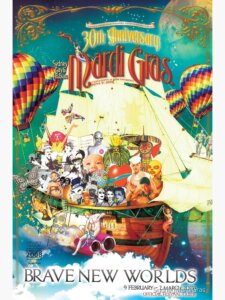
The 30th anniversary Parade was the largest yet with 134 floats with 9,500 participants and was led by the ‘78ers. Comedian Margaret Cho was the Chief of Parade and two men who had been brutally assaulted in a homophobic attack and 100 Reverends who were apologising for Christianity’s treatment of gay people were among the marchers. The NSW Government funded Mardi Gras for the first time and Olivia Newton-John, Cyndi Lauper, Carlotta, David Campbell and Shauna Jensen all performed at the party.
2009
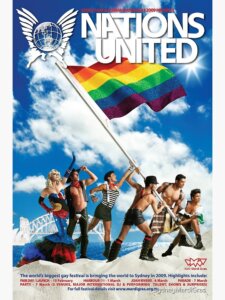
Olympic gold medal-winning diver Matthew Mitcham was the Chief of Parade and Charlotte Dawson, Julie McCrossin, Ruby Rose, Joan Rivers, Mitzi Macintosh, Alex Perry and Pam Ann all popped up in Foxtel’s coverage. 15,200 tickets were sold to the party and the RHI stage was made to resemble classic Disneyland ride ‘It’s a Small World’. The midnight show was Alison Jiear performing I Just Wanna Fucking Dance and Natalie Bassingwaighte was the last performer of the night, singing Heart of Glass and her #1 hit Supersensual.
2010
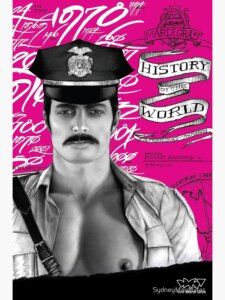
For the first time in its history, Mardi Gras’ parade and party were on different Saturday nights – the party had been accidently booked for the wrong weekend! The Chief of Parade was New York transgender fashion icon Amanda Lepore. George Michael, Kelly Rowland and Adam Lambert were the star headliners at the party and George loved Sydney so much he stayed in town for several more weeks! Sleaze Ball in October attracted almost 5,000 people, featuring shows by Zoe Badwi and Mary Kiani but sadly was the last one staged to date. It had become ‘the fundraiser that didn’t raise funds’.
2011
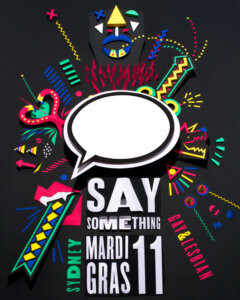
Mardi Gras members voted unanimously to formally include intersex into the organisation and adopt the LGBTQI acronym. The festival crew also sought to change the festival’s name to simply ‘Sydney Mardi Gras’ to make it more inclusive but many of the organisation’s members argued the words ‘Gay and Lesbian’ were vital to retain. American actress Lily Tomlin appeared in the parade while singers Alexis Jordan and Wynter Gordon and DJs Calvin Harris and Frankie Knuckles all headlined the party.
2012
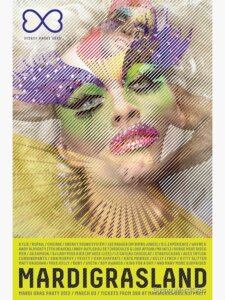
2012’s Mardi Gras parade and party honoured Kylie Minogue’s 25 years of music and her unfaltering support for the LGBTQI communities. Kylie was honoured with a huge show in the parade featuring 140 dancers and she performed a full-on 20-minute montage of her greatest hits at the ‘MARDIGRASLAND’ Party. Also at the party were Sneaky Sound System, Sam Sparro, Shauna Jensen and RuPaul, who wished the crowd ‘Happy Pride’ as she sashayed away! The Laneway Party premiered as the closing event of the season, recreating an unofficial event that had grown naturally there after the official parties in the 1980s and ‘90s.
2013
2013 was the year of the Rainbow Crossing. This colourful walkway across Oxford Street in Taylor Square was created by City of Sydney as part of Mardi Gras’ 35th anniversary celebrations. Tourists loved it, inspiring many cities around the world to paint similar crossings. When it was removed a few weeks after Mardi Gras, the resulting DIY Rainbow protest campaign went viral around Australia and the globe. The Australian Armed Forces marched in uniform at the Parade for the first time, in recognition of the service of LGBTQI personnel. Guests at the party were Eurovision winner Loreen, Delta Goodrem, Heather Small, The Presets and Jake Shears.
However, relations with NSW Police hit a low in 2013, when then-officer Leon Mixios slammed shirtless 18-year-old, Jamie Jackson, to the pavement in a leg sweep, horrifying onlookers who filmed the assault. NSW Police was eventually ordered to pay Jackson $39,000 in costs while a freedom of information request by University of Newcastle criminologist Dr Justin Ellis revealed there were in fact four claims against police at the festival that year, which cost NSW Police $283,880.75 in damages, $385,903.90 in legal costs, to a total of $669,784.65.
2014
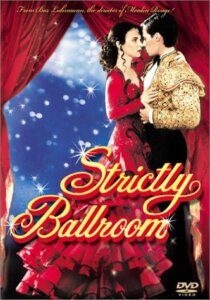
Ugh. Sydney’s controversial lock-out laws began on Mardi Gras weekend, so revellers needed to be in their favourite bars and clubs by 1.30am and drinks were only served until 3am. Sending messages of love and support to our LGBTQI friends in Russia was a recurring theme in 2014. The People With Disabilities Australia group entered the parade for the first time and the Baz Lurhmann-inspired ‘Strictly Mardi Gras’ float finished the parade with the message ‘A Life Lived In Fear Is A Life Half Lived’. SBS began broadcasting the parade. Later in the year, the New South Wales government began expunging the historical convictions of gay men convicted under sodomy laws.
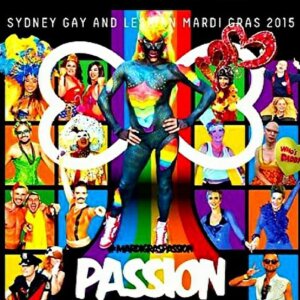
2015
2015’s special festival guests included Drag Race winner Bianca Del Rio, comedian Sandra Bernhard and gender trailblazer Calpernia Addams. Former NSW governor Dame Marie Bashir and her husband Sir Nicholas Shehadie led the Parade. Dannii Minogue returned for the Mardi Gras Party, which also starred Nick Jonas, Jessica Mauboy, Jake Shears, Betty Who, Rufus Wainwright and Courtney Act.
Darling Harbour came to life throughout 2015 season with ‘Darling!’, including Family Fun Day, the Little Black Dress Run, and ‘Are You Ready 4 Freddie?’, a special Video Production tribute to Freddie Mercury. Drag star Courtney Act was Mardi Gras’ fabulous Global Ambassador, helping promote the festival to international visitors. The first floats in 2015’s Mardi Gras focussed on LGBTQI sporting teams – including the Sydney Convicts rugby team, who’d hosted and won the Bingham Cup world tournament.
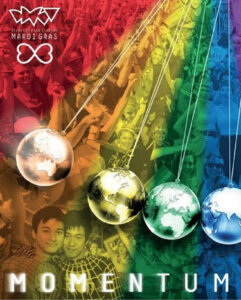
2016
2016’s Mardi Gras is remembered as an extraordinary season of apologies. The participants in the very first parade received messages of regret from the NSW Government, Fairfax and the Police for the horrendous treatment they received on that bleak winter’s night in June 1978. Queer Thinking had new ideas and energy including in-depth looks at finding love online, how to create a family, being out as LGBTQI in sport and the true stories of Gayby Babies. Dozens of Sydney’s favourite drag divas joined forces for a 1.30am show at the party and Eurovision song contest winner Conchita Wurst and Courtney Act sang a duet.
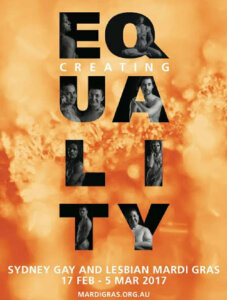
2017
Newtown embraced Fair Day, which was held at Camperdown Memorial Rest Park. There were rainbow decorations at the train station along with many Mardi Gras posters and messages of support in the windows of local businesses lining King Street.
A new addition to the festival program, Koori Gras @ 107 was a week-long festival all of its own, and a chance to discover Aboriginal and Torres Strait Islanders’ long history of passionate involvement with Mardi Gras. First Nations people also worked together with the original 1978 Mardi Gras marchers on a symbolic moment to begin 2017’s Parade, which also featured floats calling attention to marriage equality, refugees, mental health and the recognition of transgender rights. The party featured The Veronicas, Client Liaison, Steve Grand, Nat Conway and Peyton.
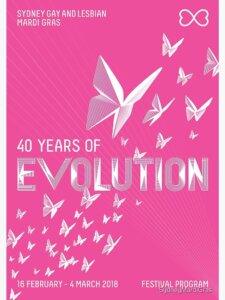
2018
The 2018 Mardi Gras festival featured over 100 diverse events across two weeks and three weekends. Queer Art After Hours filled the Art Gallery of New South Wales with LGBTQI entertainment. Mardi Gras and Red Bull Music presented a new youth-focussed event hitting the runway in 2018. The Sissy Ball was a Vogue Ball borne from the living history of New York’s underground Ballroom scene. Marking 40 years after the first Mardi Gras march in 1978, over 200 original Mardi Gras participants from all over Australia led the 2018 Parade. Pop superstar Cher was a very special international guest and there was a surprise ‘Cher the Love’ show in her honour at the parade, and she performed four of her hit songs at the party.
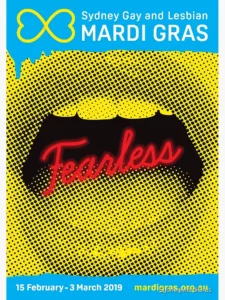
2019
The Strictly Kaftan Party at the Ivy Pool was a sparkling new all-inclusive event and became the summer soirée of the year. At Sydney’s City Recital Hall, Mardi Gras’ Requiem Mass was another new event for 2019. The emotional and personal choral work invoked remembrance and peace for the dead. Created by American singer and composer Holcombe Waller with a choir of local community singers, the evening was a chance to unite, reflect, raise our voices and remember those we have lost. Pnau were the special guests at the Mardi Gras party.
2020
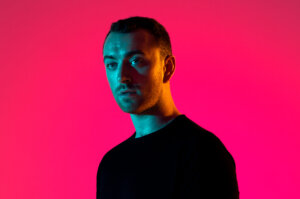
Held just on the cusp of Covid’s arrival into Australia, the 2020 season went ahead as ‘normal’, the festival theme was brought to life in the parade by the genderless Gaia puppet named ‘Ze’. On stage at the Festival Hub, Gender Euphoria featured Australia’s biggest line-up of trans and gender-diverse performers to ever share a main stage. Dua Lipa, Sam Smith and Kesha all appeared at the party. But in November, it was announced that, for the first time in its history, the Mardi Gras Parade would be temporarily relocated. The 2021 event was to happen under COVID-safe conditions at the Sydney Cricket Ground, where participants and spectators could be checked in and contact-traced.
2021
Mardi Gras 2021 at the Sydney Cricket Ground was a once-in-a-lifetime experience for 5,000 marchers and 36,000 spectators. Not even a global pandemic can stop LGBTQI+ communities rising together in pride and passion. Mardi Gras’ 2021 season theme uplifted the voices of our vibrant community and sharing stories of people rising to the challenge of being their true selves, of loving who they love and of discovering their own identities. G-Flip, Electric Fields and UK singer Rita Ora all performed at the unique parade event, helping to keep people’s spirits up in what was a very challenging time for us all.
2022
On the back of another lockdown and slow reopening of borders and the economy, the difficult but necessary decision was made to once again hold the parade at the Sydney Cricket Ground (SCG), which sold out and featured Darren Hayes, The Wiggles, Vanessa Amarosi and Wafia; to cancel the beloved Party and postpone Kaftana and Paradiso Pool Party and Sissy Ball. But 2022 did see the launch of a Mardi Gras podcast called Queer Thinking and very good things indeed were only a year away…
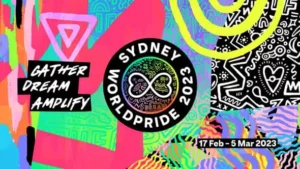
2023 – WorldPride!
WorldPride started in 2000 but 2023 was the first time it happened in one of the world’s great gay cities, Sydney – anywhere in the Southern Hemisphere, for that matter. It’s so fresh that most of us still have our favourite memories but some of the big tickets amongst the 471 events were the three events in the Domain, a First Nations precinct at Carriageworks, the Bondi Beach party, the Pride March across the Harbour Bridge, a human rights conference and of course, the return of the Mardi Gras parade to Oxford Street. The parade saw a sitting Australian Prime Minister, Anthony Albanese, marching for the very first time and in another first, a trans, First Nations person joined the Mardi Gras board.
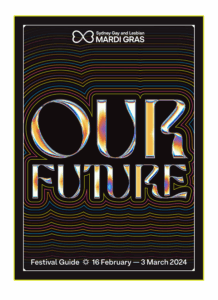
2024
The 2024 festival was overshadowed by the unfolding tragedy in Gaza and the murder of Sydney couple, Jesse Baird and Luke Davies, just weeks before by a gay policeman, Beau Lamarre-Condon. It was also the year that queer activist group Pride in Protest, which now has members on the Mardi Gras board, almost succeeded in having NSW Police banned altogether from marching in the parade, no matter whether they’re in or out of uniform. Police participation in the Mardi Gras parade remains a sharply divisive issue for the LGBTIQA+ community and, unfortunately, is not likely to be resolved anytime soon.
Compiled by Danny Corvini using original material written by Matt Akersten. With thanks to the Sydney Gay and Lesbian Mardi Gras and the Australian Queer Archives.